A business trip rarely begins when someone enters a meeting room. It starts earlier, with the first decision about how the day will move from one place to the next.
In Lucerne, that may include arrival at the train station, a hotel check-in, a meeting, a lunch appointment, an evening event, and a return connection. When one part of the journey becomes unclear, the whole schedule can feel harder to manage.
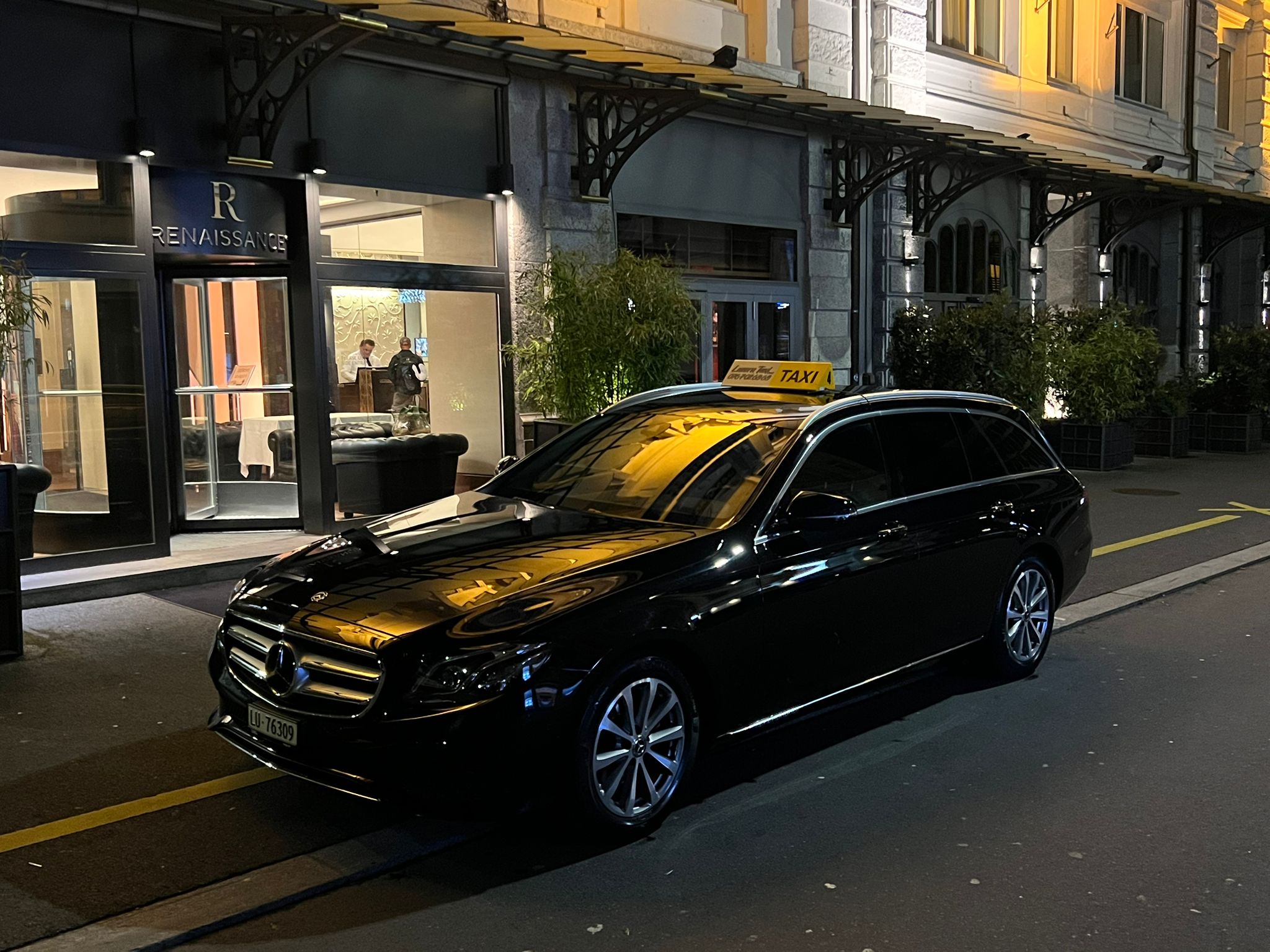
A business taxi in Lucerne is useful when time, comfort, and reliability matter more than improvising.
The goal is not only to reach the next location. It is to keep the day organized enough that travelers can focus on their work instead of routes, waiting times, and last-minute transport decisions.
In this blog, we look at how travelers can reduce stress at every stage of a business trip in Lucerne, from planning the first transfer to moving between meetings, welcoming guests, and arranging the return journey.
How to Stay Stress Free When Traveling to a New Location
Before the trip: Look at the day as a whole
The most common mistake during business travel is underestimating the time between appointments. A route may look short on a map, but real travel includes walking, luggage, traffic, weather, waiting, and finding the right entrance. In Lucerne, many important places are close to each other, but even a small delay can affect the rhythm of a full day.
Before traveling, it helps to identify the fixed points. These usually include arrival time, hotel check-in, the first meeting, lunch, the next location, the return trip, and any onward connection. It is not enough to calculate driving time only. The space between two appointments matters too.
A business taxi can support this kind of planning because the ride is not arranged only when pressure has already started. If pickup points, times, and stops are clear in advance, the day becomes easier to control.
On arrival: Do not underestimate the first ride
Many stressful business days begin immediately after arrival. A traveler steps off a train with luggage, lands after an early flight, or reaches the city with only a small time window before the next appointment. At that moment, the next step should feel simple.
For travelers arriving from Zurich Airport, Basel Airport, or Geneva Airport, the first transfer can be one of the most important parts of the day. After landing, baggage claim, walking through the airport, and possible delays can take longer than expected. If a meeting follows soon after, a planned transfer to Lucerne can make the schedule easier to manage.
The same applies to Lucerne train station. The city is easy to navigate in many situations, but luggage, a laptop bag, or presentation material can make even a short route uncomfortable.
A planned ride to the hotel or directly to the meeting helps the traveler begin the day without searching, waiting, or adjusting the plan too late.
Before the first meeting: Create calm instead of rush
The time before the first meeting often matters more than it seems. It can decide whether someone arrives rushed or prepared. A traveler may need to answer messages, review notes, prepare a question, or simply settle their thoughts before walking in.
A business taxi in Lucerne can make that time more useful. The ride becomes part of the preparation instead of another task to manage. Instead of checking timetables or looking for parking, the traveler can use the journey to focus on the appointment ahead.
The choice of vehicle also matters. One traveler with light luggage has different needs from a small team with suitcases, documents, or technical equipment. If more room or a larger vehicle is needed, it is better to know this before the ride begins.
During a busy day, small details often become stressful only when they are handled too late.
Between meetings: Plan the gaps properly
The hardest part of a business day is often not the first ride. The real pressure appears between appointments. A meeting runs longer than expected, a conversation continues in the hallway, a call comes in, or the next location turns out to be farther away than planned.
Good planning does not mean controlling every minute. It means creating realistic transitions. Between two meetings, there should be enough time to finish the first conversation properly and reach the next place without rushing. This matters for comfort, but it also affects how professional the day feels.
When important rides are planned early, there are fewer decisions to make during the day.
That becomes valuable when the schedule includes several conversations, changing locations, or guests who also need clear guidance.
For meetings outside the center: Distance is not the only factor
Not every business appointment takes place in the city center. Meetings may be in Kriens, Horw, Emmen, Ebikon, or other nearby local areas.
On paper, these routes may look simple. In practice, the best option depends on the time of day, the exact address, the amount of luggage, and how many places must be reached in one day.
Outside the central area, a business taxi can be more practical than combining train, bus, and walking. This does not mean public transport is unsuitable. It means the right choice depends on the schedule and the purpose of the journey.
When planning a business day, it is better not to ask only which route is possible. The more useful question is which route works reliably under real conditions. For important appointments, the best option is often the one that makes a punctual and calm arrival more likely.
With guests and partners: Transport shapes the first impression
When guests, clients, or business partners arrive in Lucerne, transport becomes part of the overall impression. An unclear pickup, long waiting time, or missing information can create uncertainty before the actual meeting begins.
Business taxis in Lucerne can be especially useful when visitors need to be picked up from the station, hotel, or airport. The host does not have to coordinate every movement personally, and guests know how they will reach the next location. This creates a smoother experience without making the process complicated.
Group travel also requires planning. If several people travel together, the vehicle needs enough space for passengers and luggage. If they carry technical equipment or presentation material, that should be considered before the ride is booked. This keeps the journey from becoming a last-minute problem.
At the end of the day: Arrange the return before it becomes urgent
Many travelers think about the return trip only when the day is almost over. That is often when energy is lower, the schedule is tighter, and the need for a simple solution is stronger. If someone still needs to reach the station, hotel, or airport, the return should not be treated as an afterthought.
After events, dinners, or late meetings, a planned ride can prevent unnecessary stress. This is especially true when there are onward trains, flights, or another early start the next morning. A clear end to the day helps travelers leave without rushing or making decisions while tired.
Very early and very late rides need extra attention. Outside regular business hours, availability becomes more important. Organizing the ride in advance helps keep the schedule reliable even when the timing is less convenient.
What to Clarify Before Booking
Before booking, it is worth checking the practical details. The pickup address, destination, time, number of passengers, amount of luggage, vehicle preference, and possible stops should be clear. The more accurate the information is, the easier the ride is to organize.
The booking method also matters. Whether the ride is arranged online, through an app, or by phone, complete information helps prevent delays. Hotels, office buildings, airports, and train stations can have several possible meeting points. A clear description makes the pickup smoother.
Travelers should also think about the type of ride. A short city trip, an airport transfer, and a longer journey each have different requirements. When these details are clear from the beginning, the whole day becomes easier to manage.
Why Less Travel Stress Usually Means Better Planning
Travel stress rarely comes from the ride alone. It usually comes from uncertainty. Where is the pickup point? How long will the route take? Is there enough room for luggage? Will the traveler arrive on time? What happens if the meeting takes longer?
Good planning cannot remove every unexpected situation, but it can reduce friction. Using a business taxi in Lucerne for important journeys gives travelers more control over the day. This is practical when appointments, guests, and transport connections depend on one another.
The main benefit is simple. When transport is already arranged, attention can stay on the reason for the trip. That is where the real value of a well-planned ride becomes clear.
Why a Business Taxi in Lucerne Is Part of Better Travel Preparation
A successful business day in Lucerne depends on more than good meetings. It also depends on how smoothly the movement between those meetings works. Travelers who plan their arrival, appointments, transfers, and return journey early can avoid many of the most common stress points.
A business taxi is helpful when the day is tightly scheduled, several locations need to be connected, or guests need to be picked up reliably. It creates structure before pressure builds and makes the day easier to manage.
To organize your next ride in Lucerne with less stress, book Luzerner Taxi online, through the app, or by phone. Choose the right vehicle type, plan your pickup in advance, and move through the day with more confidence.
Schreiben Sie einen Kommentar